
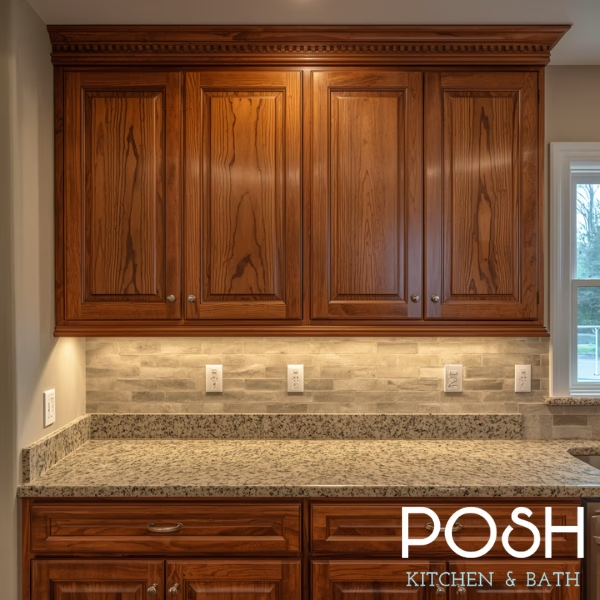
If your kitchen feels outdated but you’re not ready for a full renovation, you might be wondering: can kitchen cabinets be restained? The answer is yes in many cases, and it’s one of the most effective ways to refresh your kitchen without spending a fortune. Restaining cabinets can completely transform the look of your space, giving old wood a new life with a richer tone, modern finish, or even a completely different style.
However, not all cabinets can be restained, and the process requires proper preparation, the right materials, and some patience. In this guide, you’ll learn everything you need to know about restaining kitchen cabinets, including when it works, when it doesn’t, and how to do it successfully.
What Does Restaining Kitchen Cabinets Mean?
Restaining refers to the process of removing or altering the existing finish on wood cabinets and applying a new stain to change their color. Unlike painting, which covers the surface completely, staining enhances the natural grain of the wood while changing its tone.
This makes restaining an ideal option if you want to:
- Darken light cabinets
- Refresh worn-out finishes
- Update your kitchen’s style while keeping a natural wood look
Can All Kitchen Cabinets Be Restained?
Not all cabinets are suitable for restaining. The success of your project depends largely on the material of your cabinets.
- Solid Wood Cabinets
These are the best candidates for restaining. Solid wood absorbs stain well and allows you to achieve a wide range of finishes.
- Wood Veneer Cabinets
Veneer cabinets can also be restained, but with caution. Since the wood layer is thin, aggressive sanding can damage the surface.
- MDF or Laminate Cabinets
These cannot be restained because they do not have real wood grain. If your cabinets are laminate, painting is a better option.
Tip: If you’re unsure about your cabinet material, check inside the doors or consult a professional before starting.
Benefits of Restaining Kitchen Cabinets
- Cost-Effective Upgrade
Restaining is significantly cheaper than replacing cabinets entirely. You can achieve a high-end look without a full remodel.
- Preserves Natural Beauty
Unlike paint, stain enhances the wood grain, giving your kitchen a warm and authentic feel.
- Wide Range of Finishes
From light oak to deep espresso tones, restaining allows you to completely change the mood of your kitchen.
- Eco-Friendly Option
By reusing your existing cabinets, you reduce waste and avoid the environmental impact of manufacturing new ones.
Challenges to Keep in Mind
While restaining is a great option, it’s not always easy.
- Labor-Intensive Process
Stripping, sanding, and applying stain requires time and effort. It’s not a quick weekend job if done properly.
- Limited Color Changes
It’s easier to go darker than lighter. Lightening cabinets may require complete stripping and bleaching.
- Surface Preparation Is Critical
Skipping preparation steps can lead to uneven color, blotches, or peeling finish.
Step-by-Step Guide to Restaining Kitchen Cabinets
If you’re ready to take on the project, here’s a simplified process to follow.
Step 1: Remove Cabinet Doors and Hardware
Take off all cabinet doors, drawers, handles, and hinges. Label each piece to make reinstallation easier.
Step 2: Clean Thoroughly
Kitchen cabinets often have grease and grime buildup. Use a degreaser or mild cleaner to remove all residue before sanding.
Step 3: Strip the Old Finish
If your cabinets have a thick varnish or paint, use a chemical stripper to remove it. This step is essential for proper stain absorption.
Step 4: Sand the Surface
Sanding smooths the wood and removes any remaining finish. Start with medium-grit sandpaper and finish with fine grit for a smooth surface.
Step 5: Apply Wood Conditioner
A wood conditioner helps the stain absorb evenly, especially on soft woods like pine.
Step 6: Apply the New Stain
Use a brush or cloth to apply the stain in the direction of the wood grain. Let it sit for a few minutes, then wipe off excess.
You can apply multiple coats to achieve a deeper color.
Step 7: Seal the Cabinets
Once the stain is dry, apply a protective topcoat such as polyurethane. This protects against moisture, stains, and daily wear.
Step 8: Reassemble the Cabinets
After everything is fully dry, reinstall the doors, drawers, and hardware.
Popular Stain Colors and Trends
Choosing the right stain color can completely change your kitchen’s appearance.
Dark Espresso
Gives a modern, luxurious feel and pairs well with light countertops.
Classic Walnut
A timeless option that works in both traditional and modern kitchens.
Gray Wash
Perfect for contemporary or farmhouse-style kitchens.
Natural Oak
Maintains a light, airy feel and highlights the natural grain.
Tips for Best Results
To achieve a professional-looking finish, keep these tips in mind:
- Always test the stain on a hidden area first
- Work in a well-ventilated space
- Apply thin, even coats
- Follow drying times carefully
- Use high-quality brushes and materials
When You Should Consider Painting Instead
Sometimes restaining isn’t the best option. You may want to paint your cabinets instead if:
- The surface is laminate or MDF
- The wood is heavily damaged
- You want a completely opaque, modern look
- You’re trying to drastically lighten very dark cabinets
Professional vs DIY Restaining
You can restain cabinets yourself, but hiring a professional may be worth it in some cases.
DIY Pros:
- Lower cost
- Full control over the process
DIY Cons:
- Time-consuming
- Requires tools and experience
Professional Pros:
- High-quality, even finish
- Faster completion
Professional Cons:
- Higher cost
Maintenance After Restaining
Once your cabinets are restained, proper care will keep them looking great for years.
- Clean regularly with a soft cloth
- Avoid harsh chemicals
- Wipe spills immediately
- Reapply protective coating if needed over time
Final Verdict
So, can kitchen cabinets be restained? Yes, as long as they are made of real wood or wood veneer. Restaining is a powerful way to upgrade your kitchen without the expense of a full renovation.
It allows you to refresh your space, enhance natural materials, and customize the look to match your style. While the process takes effort, the results can be stunning and long-lasting.