
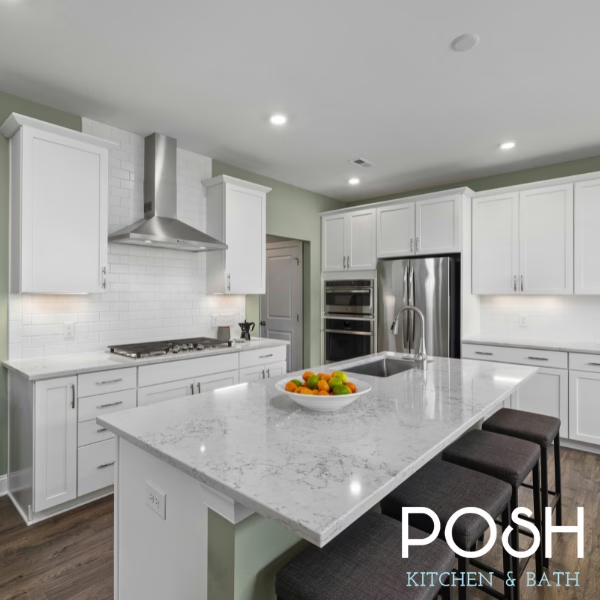
One of the most common questions homeowners ask during a kitchen remodel is: how high should kitchen cabinets be? While cabinet style and color often get the most attention, cabinet height plays an equally important role in functionality, comfort, and overall kitchen design.
Installing cabinets too low can make your kitchen feel cramped and limit workspace. Mounting them too high can make everyday items difficult to reach. Finding the right height ensures your kitchen looks balanced, provides adequate storage, and remains comfortable to use for years.
The ideal cabinet height depends on the type of cabinet, ceiling height, countertop dimensions, and the needs of the people using the kitchen. Fortunately, there are industry standards that work well in most homes.
Standard Kitchen Cabinet Heights at a Glance
| Cabinet Type | Standard Height | Typical Position |
|---|---|---|
| Base Cabinets | 34.5 inches | Floor-mounted |
| Countertop Height | 36 inches | Includes countertop |
| Upper Cabinets | 30-42 inches tall | Mounted above countertop |
| Distance Between Countertop and Upper Cabinets | 18 inches | Standard clearance |
| Bottom of Upper Cabinets From Floor | 54 inches | Most common installation height |
| Tall Pantry Cabinets | 84-96 inches | Floor to near ceiling |
These measurements provide a comfortable working area while maximizing storage space.
How High Should Kitchen Cabinets Be From the Floor?
For most kitchens, the bottom of the upper cabinets should be approximately 54 inches from the floor.
This measurement is based on:
- 34.5-inch base cabinets
- 1.5-inch countertop
- 18-inch backsplash clearance
This arrangement has become the industry standard because it creates a comfortable work zone while keeping upper cabinets accessible.
Most homeowners find this height provides the best balance between storage and usability.
How High Above the Counter Should Kitchen Cabinets Be?
Another frequently asked question is how high above the counter should kitchen cabinets be?
The standard distance between the countertop and the bottom of the upper cabinets is:
18 inches
This spacing provides enough room for:
- Small kitchen appliances
- Coffee makers
- Toasters
- Mixers
- Food preparation
An 18-inch clearance also creates an open feel without sacrificing valuable storage space.
Can Upper Cabinets Be Higher?
Yes.
Some homeowners increase the gap to:
- 20 inches
- 21 inches
- 24 inches
This is often done when:
- Family members are taller
- Large appliances sit on countertops
- A more open appearance is desired
However, increasing the distance too much can make upper shelves harder to reach.
How High Should Upper Kitchen Cabinets Be?
The answer depends largely on ceiling height.
For 8-Foot Ceilings
Most kitchens with 8-foot ceilings use:
- 30-inch upper cabinets
- 36-inch upper cabinets
- 42-inch upper cabinets
A 42-inch cabinet is often preferred because it extends closer to the ceiling and maximizes storage.
For 9-Foot Ceilings
Homes with taller ceilings commonly use:
- 42-inch upper cabinets
- Stacked cabinets
- Cabinets with crown molding
These designs eliminate wasted wall space and create a more custom appearance.
For 10-Foot Ceilings and Higher
Luxury kitchens often feature:
- Full-height cabinetry
- Double-stacked cabinets
- Decorative upper storage
These configurations create a dramatic visual effect while adding storage capacity.
How High Should the Kitchen Cabinets Be in Small Kitchens?
Small kitchens require careful planning because every inch matters.
In compact kitchens, standard measurements generally work best:
- 18-inch countertop clearance
- 54-inch cabinet mounting height
Raising cabinets too high can make the room feel disconnected, while lowering them may create a crowded appearance.
Many designers recommend extending cabinets to the ceiling in smaller kitchens because it increases storage and draws the eye upward, making the room appear larger.
Standard Base Cabinet Height
Although many homeowners focus on upper cabinets, base cabinet height also affects the overall kitchen layout.
The standard base cabinet height is:
34.5 inches
After installing a countertop, the finished working height becomes:
36 inches
This height has become the standard because it provides comfortable working conditions for most adults.
Should Kitchen Cabinets Go All the Way to the Ceiling?
This is one of the biggest design trends in modern kitchens.
Benefits of Ceiling-Height Cabinets
Cabinets that reach the ceiling offer:
- More storage space
- Less dust accumulation
- A custom built-in appearance
- Better visual proportions
Benefits of Leaving Space Above Cabinets
Some homeowners still prefer space above cabinets because:
- It reduces costs
- It creates room for decorative items
- It can make a kitchen feel less enclosed
Both approaches work well depending on the style of the home.
Cabinet Height Based on Ceiling Height
8-Foot Ceiling
Common cabinet configurations:
- 30-inch cabinets with 12-inch gap above
- 36-inch cabinets with 6-inch gap above
- 42-inch cabinets with crown molding
9-Foot Ceiling
Popular options:
- 42-inch cabinets with open space above
- Stacked cabinetry
- Full-height custom installations
10-Foot Ceiling
Typical designs include:
- Double-stacked cabinets
- Decorative glass-front upper sections
- Floor-to-ceiling storage systems
Factors That Influence Cabinet Height
Although standard measurements work for most kitchens, several factors may justify adjustments.
User Height
A family with taller members may prefer slightly higher upper cabinets.
Shorter homeowners may benefit from cabinets mounted slightly lower for easier access.
Appliance Placement
Large countertop appliances sometimes require additional clearance.
Examples include:
- Espresso machines
- Stand mixers
- Commercial blenders
Range Hood Requirements
Range hoods have specific clearance requirements that may affect cabinet placement.
Always follow the manufacturer’s installation guidelines.
Accessibility Needs
Universal design principles may require custom cabinet heights to accommodate users with mobility limitations.
Common Cabinet Height Mistakes to Avoid
Mounting Upper Cabinets Too High
While high cabinets may create an open appearance, they can become difficult to reach.
Reducing Countertop Clearance
Installing cabinets too low can make the workspace feel cramped and limit appliance placement.
Ignoring Ceiling Height
Cabinet height should complement the room’s proportions.
A design that works in an 8-foot kitchen may look awkward in a room with 10-foot ceilings.
Focusing Only on Appearance
Storage and usability should always be prioritized alongside aesthetics.
Frequently Asked Questions
How High Should a Kitchen Cabinet Be?
Standard upper kitchen cabinets range from 30 to 42 inches tall, depending on ceiling height and design preferences.
How High Should Upper Kitchen Cabinets Be From the Countertop?
The standard measurement is 18 inches above the countertop.
What Is the Standard Height for Kitchen Cabinets?
Base cabinets are typically 34.5 inches high, resulting in a finished countertop height of approximately 36 inches.
How High Should Kitchen Cabinets Be From the Floor?
The bottom of upper cabinets is usually installed about 54 inches above the floor.
Should Cabinets Touch the Ceiling?
Not necessarily. However, ceiling-height cabinets have become increasingly popular because they provide additional storage and a more custom appearance.
Final Thoughts
If you’re wondering how high kitchen cabinets should be, the most widely accepted standard is to install upper cabinets so their bottom edge sits approximately 54 inches from the floor and 18 inches above the countertop. These measurements create a comfortable workspace while keeping storage easily accessible.
That said, there is no single perfect cabinet height for every kitchen. Ceiling height, appliance placement, storage needs, and personal preferences all play a role. By understanding standard dimensions and adapting them to your space, you can create a kitchen that is both beautiful and highly functional.