
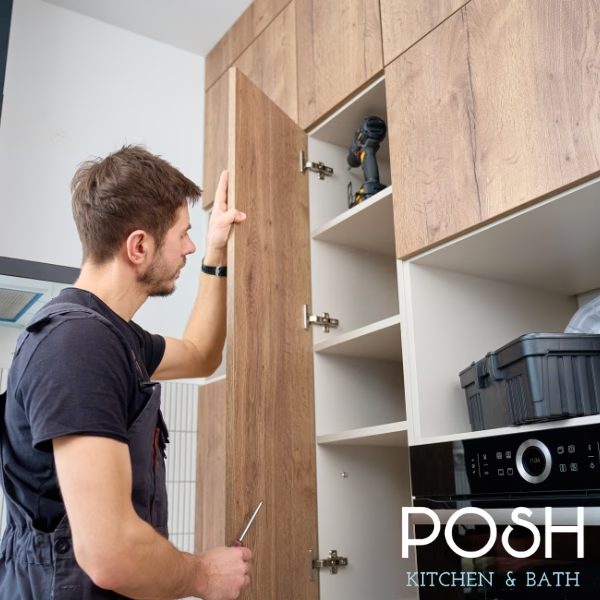
When it comes to home design and renovation, one question that often pops up is: can kitchen cabinets be used in a bathroom? The short answer is yes, but with some important considerations. While kitchen cabinets and bathroom cabinets may look similar at first glance, they are designed for different environments and uses. Understanding these differences can help you decide whether using kitchen cabinets in your bathroom is a smart, stylish, and practical choice.
Understanding the Key Differences
Before deciding to install kitchen cabinets in a bathroom, it’s important to understand how the two types of cabinetry differ.
Kitchen cabinets are designed to store cookware, food items, and appliances. They are built to handle weight and frequent use. On the other hand, bathroom cabinets are made to withstand moisture, humidity, and temperature fluctuations.
Bathrooms are naturally more humid due to showers, baths, and sinks. This moisture can cause materials to warp, swell, or deteriorate if they are not properly treated. Kitchen cabinets may not always be built with this level of moisture resistance in mind.
Yes, You Can Use Kitchen Cabinets in a Bathroom
The good news is that kitchen cabinets can be used in a bathroom, and many homeowners actually choose this option for various reasons. However, success depends on how you select, install, and protect them.
Let’s explore why this can be a great idea and when it might not be.
Advantages of Using Kitchen Cabinets in Bathrooms
- More Design Options
Kitchen cabinets come in a wide variety of styles, finishes, colors, and sizes. This gives you more flexibility when designing your bathroom. Whether you prefer modern, rustic, or traditional aesthetics, kitchen cabinetry offers more customization.
- Better Storage Capacity
Kitchen cabinets are often deeper and more spacious than bathroom vanities. This makes them ideal if you need extra storage for towels, toiletries, or cleaning supplies.
- Cost-Effective Solution
In some cases, kitchen cabinets can be more affordable, especially if you’re repurposing existing cabinets or buying ready-to-assemble units. This is a great option for budget-friendly renovations.
- Durability and Strength
Kitchen cabinets are built to support heavier loads, such as dishes and appliances. This means they are structurally strong and can easily handle bathroom essentials.
Potential Drawbacks to Consider
- Moisture Resistance
This is the biggest concern. Bathrooms are exposed to high humidity, and not all kitchen cabinets are designed to handle that environment. Over time, exposure to moisture can lead to swelling, peeling, or mold growth.
- Height and Fit Issues
Kitchen cabinets are typically taller than standard bathroom vanities. This can affect comfort when using sinks, especially for children or shorter individuals.
- Plumbing Adjustments
Bathroom vanities are designed with plumbing in mind. Kitchen cabinets may need modifications to accommodate pipes, drains, and sinks.
- Ventilation Requirements
Without proper ventilation in your bathroom, even high-quality kitchen cabinets may not hold up well over time.
How to Successfully Use Kitchen Cabinets in a Bathroom
If you’re considering this option, there are several steps you can take to ensure long-term success.
- Choose the Right Material
Opt for cabinets made from moisture-resistant materials such as:
- Plywood
- MDF with water-resistant coating
- Solid wood with proper sealing
Avoid low-quality particleboard unless it is specifically treated for moisture resistance.
- Seal and Protect the Cabinets
Applying a waterproof sealant or finish is crucial. This adds a protective barrier against humidity and water exposure. Pay extra attention to edges, joints, and corners where moisture can seep in.
- Ensure Proper Ventilation
Install an exhaust fan or ensure your bathroom has good airflow. Proper ventilation reduces humidity levels and helps preserve the condition of your cabinets.
- Adjust Cabinet Height
Standard kitchen cabinets are about 34 to 36 inches tall, while bathroom vanities are often slightly lower. You may need to adjust the installation height or modify the base to ensure comfort.
- Modify for Plumbing
You will likely need to cut openings in the back or bottom of the cabinet for plumbing. Make sure these cuts are clean and sealed to prevent water damage.
- Use a Suitable Countertop
Pair your kitchen cabinet with a waterproof countertop like:
- Quartz
- Granite
- Solid surface materials
Avoid materials that absorb water easily unless properly sealed.
Best Situations to Use Kitchen Cabinets in Bathrooms
Using kitchen cabinets works particularly well in certain scenarios:
- Large bathrooms where space is not limited
- Custom vanity projects where unique design is desired
- Budget renovations using leftover or discounted cabinets
- Double-sink setups requiring extended counter space
When You Should Avoid It
There are also situations where kitchen cabinets may not be the best choice:
- Small bathrooms with limited space
- Poorly ventilated bathrooms
- Areas with frequent water exposure such as near open showers
- When you need a quick, hassle-free installation
Design Tips for a Cohesive Look
If you decide to use kitchen cabinets in your bathroom, here are some tips to make them look intentional and stylish:
Match Fixtures and Hardware
Choose handles, faucets, and accessories that complement your cabinet finish.
Use Appropriate Colors
Light colors can make small bathrooms feel larger, while darker tones add luxury and depth.
Incorporate Backsplash
Adding a backsplash protects the wall and enhances the overall design.
Add Lighting
Good lighting highlights your cabinetry and improves functionality.
Maintenance Tips
To ensure longevity, follow these simple maintenance practices:
- Wipe off water spills immediately
- Clean surfaces regularly with non-harsh cleaners
- Check for signs of moisture damage periodically
- Reapply sealant when necessary
Final Verdict
So, can kitchen cabinets be used in a bathroom? Absolutely, but only if you take the right precautions .
They offer excellent design flexibility, storage, and durability, making them a great alternative to traditional bathroom vanities. However, the key to success lies in moisture protection, proper installation, and good ventilation.
If you’re willing to put in a little extra effort, kitchen cabinets can transform your bathroom into a functional and stylish space without breaking the bank using the expert service.